If you're building a house, shed, pool, granny flat, adding an extension, or buying a block of land, you'll usually need a residential soil test before engineering can begin.
A soil test provides the information your engineer needs to design the right slab and footing system for your site. That's when projects can run into delays, redesigns, and extra costs.
Since 1986, Soiltech has completed close to 50,000 residential site classifications for homeowners, builders, developers and owner builders across Queensland and Northern New South Wales. We provide residential soil testing and site investigation services throughout Brisbane, Ipswich, Springfield, Toowoomba, Warwick and surrounding regional areas.
Why Residential Soil Testing Matters
Not all soil behaves the same way.
Two blocks in the same suburb can produce completely different site classifications. One block may contain stable material suitable for a standard slab design. The next may contain reactive clay that expands during wet weather and shrinks during dry conditions.
We've also investigated sites affected by uncontrolled fill, old building debris, large tree root systems and previous excavation work.
These are the types of conditions engineers need to know about before they design footings.
For most residential projects, a soil test is one of the first jobs completed after the land is purchased. Builders, engineers and certifiers rely on that information before moving to the next stage of the build.
Why Getting the Classification Right Matters
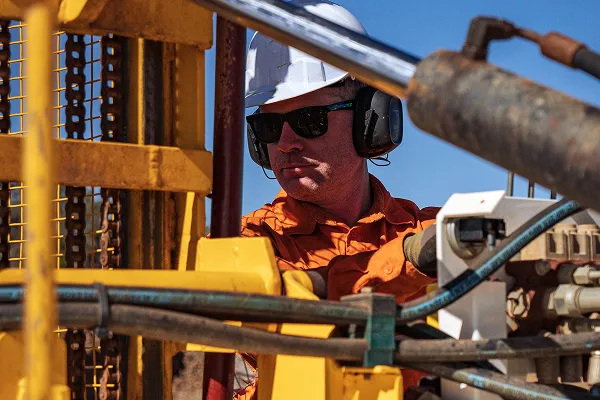
Incorrect site classification can lead to building movement, cracking and structural distress over time. That's why a thorough site investigation is one of the most important early stages of any residential building project. Soiltech's site classifiers assess not only the soil conditions, but also site features such as fill, drainage, trees, previous earthworks and moisture influences that may affect foundation performance.
Residential Site Investigations for Homes and Extensions
Soiltech carries out residential site investigations for:
- New homes
- Building extensions
- Knockdown rebuilds
- Granny flats
- Subdivisions
- Retaining walls
- Pools
- Pre purchase property assessments
Before anyone designs footings, we need to know what soil we're dealing with.
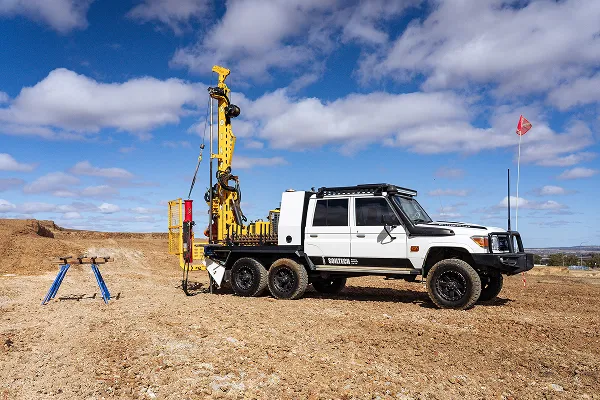
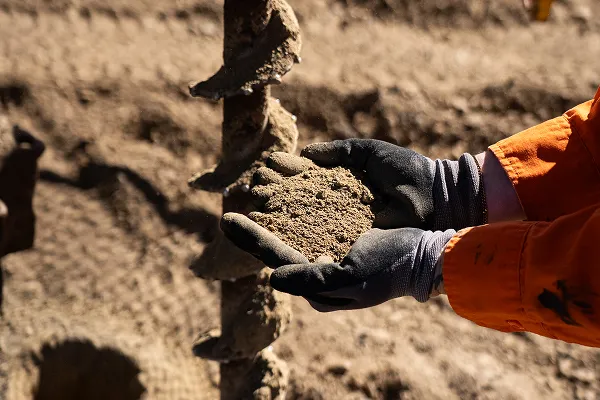
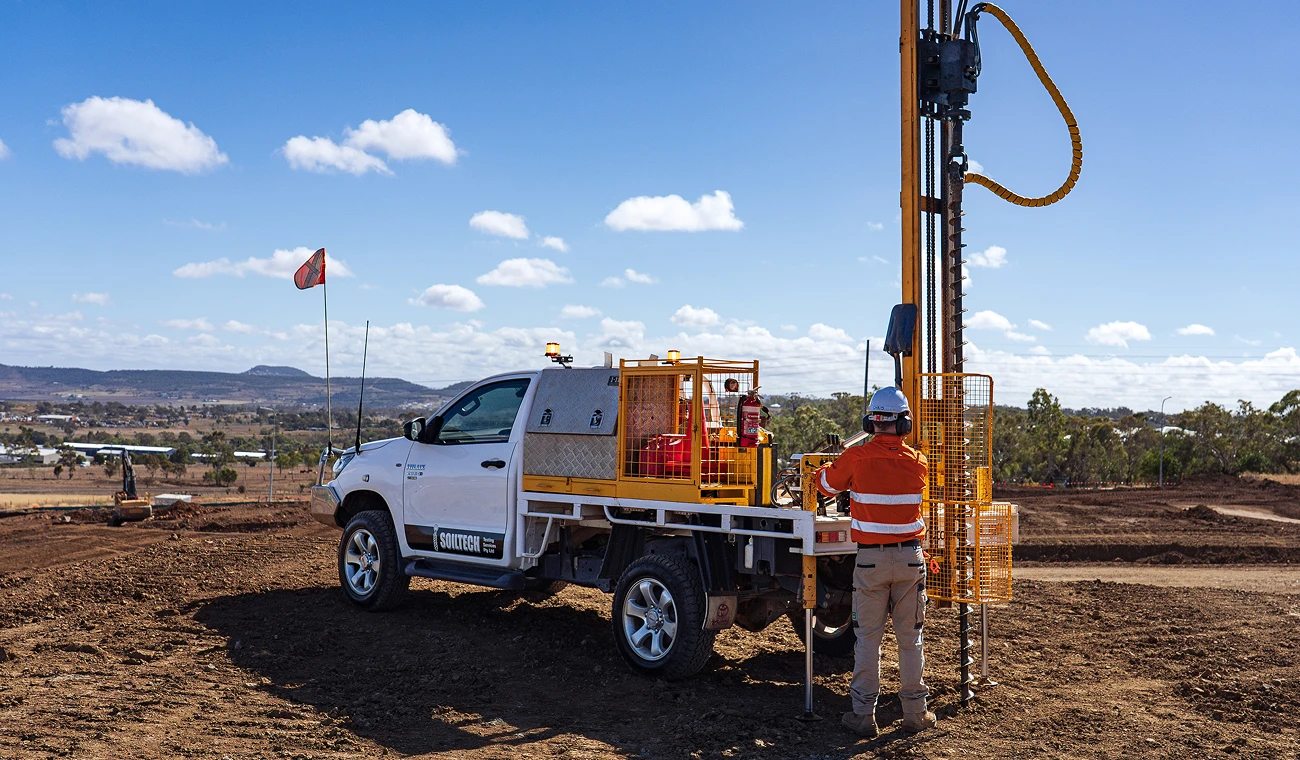
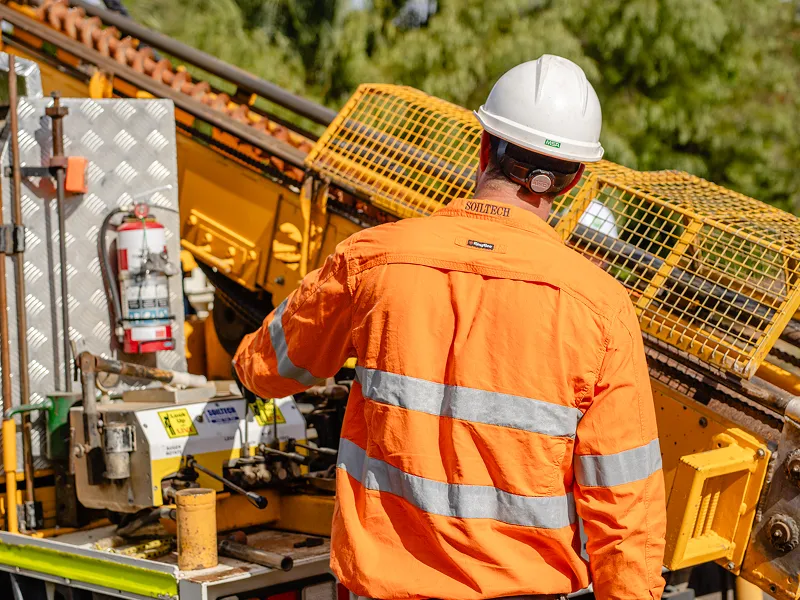
For a standard house or extension, Soiltech drills two test holes to a minimum depth of 2.5 metres. The soil profile is logged, samples are collected, and suitable material is sent for laboratory testing.
The results are used to determine site classification requirements and provide the information engineers need to design appropriate foundations for the site.
What Is Included in a Residential Soil Test?
A residential soil test involves more than drilling holes and producing a report.
The process includes a site inspection, soil sampling, laboratory testing, moisture content testing, and preparation of an AS2870 site classification report.
During the inspection, the team looks for factors that can influence foundation design. This may include existing fill, drainage issues, retaining walls, large trees, previous earthworks, or signs of ground movement.
Laboratory testing helps confirm how reactive the soil is and whether it may move as moisture levels change.
The final report provides the information needed for slab design, footing design, engineering certification and building approvals.
AS2870 Site Classification Reports
One of the main outcomes of a residential site investigation is an AS2870 site classification report.
The report classifies the site according to soil conditions and expected ground movement. Engineers use this information to determine footing requirements and select a slab design suited to the site.
If soil conditions aren't identified early, engineering changes later can slow down approvals and delay construction.
That's why most builders prefer to have site investigations completed before engineering work begins.
Getting the right information at the start helps keep the project moving and reduces the risk of unexpected issues later.
Understanding Your Site Classification
A site classification is more than just a letter on a report.
The purpose of a residential site investigation is to assign a Site Classification in accordance with AS2870. The classification provides an indication of how much movement can be expected within the soil profile as moisture conditions change over time.
Many soils across Queensland and Northern NSW contain clay minerals that expand when they become wet and shrink when they dry out. The amount of movement varies depending on the soil type, moisture conditions and site characteristics.
AS2870 classifications generally include:
- Class A – Sand, gravel and rock sites with little to no expected ground movement.
- Class S – Slightly reactive sites with low levels of movement.
- Class M – Moderately reactive sites.
- Class H1 and H2 – Highly reactive sites that can experience significant ground movement.
- Class E – Extremely reactive sites that may require specialised footing systems.
- Class P – Problem sites where factors such as fill, trees, abnormal moisture conditions, soft ground or other site-specific issues require additional consideration.
The site classification helps engineers determine the most appropriate footing and slab design for the site and provides important information for building approvals and construction planning.
Local Experience Across South East Queensland and Regional Areas
Soil conditions can change significantly across South East Queensland and Northern New South Wales.
A residential block in Highfields may produce different results to a site in Springfield, Gatton, Warwick, Dalby, Roma or Toowoomba. Understanding local soil conditions helps identify potential issues early and allows testing programs to be tailored to the site.
Soiltech has been operating since 1986 and has completed residential soil testing across a broad service area stretching from Rolleston in the north to Armidale in the south, and from Brisbane in the east to Innamincka in the west.
With offices in Toowoomba and Warwick, the team regularly works with local builders, homeowners and developers throughout the region.
QBCC Registered Site Classifiers and NATA Accredited Laboratories
When engineers are designing foundations and builders are working towards approvals, they need information they can rely on.
Soiltech's site classifiers are registered in accordance with Queensland Building and Construction Commission requirements.
Testing is carried out through Soiltech's NATA accredited laboratory, giving engineers and builders confidence in the results.
Whether you're building a new home, planning an extension, subdividing land or preparing a knockdown rebuild, accurate site data helps engineers make informed design decisions and keeps projects progressing through approvals and construction.

Book Your Residential Soil Test
If you're planning a new home, extension, subdivision, knockdown rebuild or property purchase, Soiltech can help.
Our team can arrange your residential soil test, complete the site investigation, and provide the site classification report required for engineering and construction.
Contact Soiltech today to discuss your project or book a residential soil test.