

If you're planning a new home, extension or small development, soil testing in Ipswich should be one of the first jobs on your list. A proper site investigation tells your engineer what's beneath the surface before they design your foundations. Whether you need residential soil testing in Ipswich or testing for a larger project, the report can save time, avoid costly redesigns and reduce the risk of foundation problems after construction starts.
It's easy to assume that if the neighbour's block was straightforward, yours will be too. That's often not the case.
Across Ipswich you'll find reactive clay, filled building pads, older residential areas and newer estates where ground conditions can vary from one lot to the next. We've seen sites where one side of a proposed house sits on natural clay while the other sits on imported fill from earlier earthworks. From the surface everything looks the same, but the footing design is completely different.
That's why builders and engineers rely on a site investigation instead of assumptions.
For residential construction, the report is generally prepared in accordance with AS 2870 so the engineer can design footings that suit the site's expected ground movement.
A residential soil test is usually completed in a single site visit.
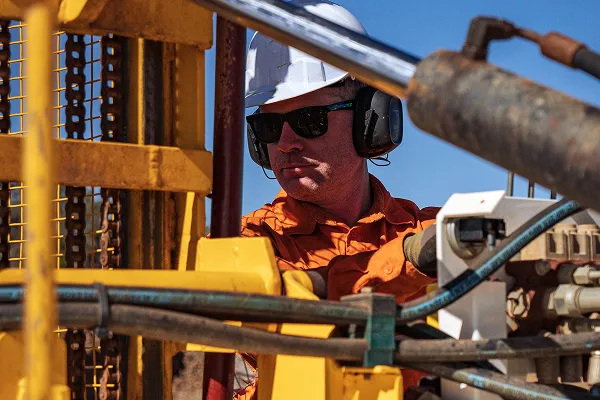
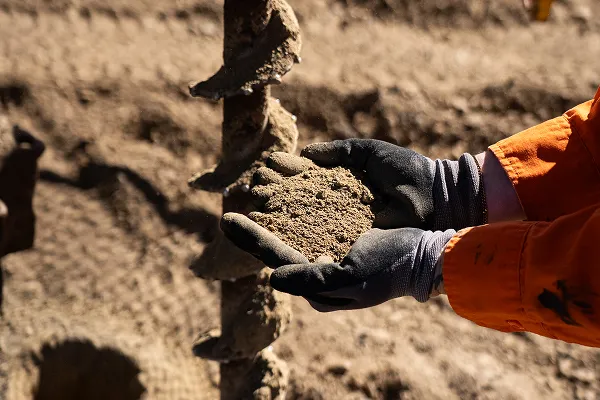
The technician drills boreholes within the proposed building area and collects soil samples from different depths. Two boreholes are common for a standard house, although larger homes or unusual sites may require additional testing.
Those samples are examined to identify soil layers, moisture conditions and any evidence of fill. Laboratory testing follows before the site is classified and the report is prepared.
Without that report, your engineer is largely working with limited information about what lies beneath the slab.
You can learn more about Soiltech's Residential Services and what's included in a standard site investigation.
The site classification tells the engineer how reactive the ground is likely to be.
Class A and Class S sites generally experience lower ground movement.
Class M and Class H contain more reactive clay.
Class E indicates very high ground movement.
Class P is often misunderstood. It doesn't mean the land can't be built on. It simply means the site has conditions that require further engineering assessment.
That might be uncontrolled fill, unusually soft soils, abnormal moisture conditions or a steep building area.
For example, if an older property was levelled years ago and nobody knows how the fill was placed or compacted, the engineer may request further investigation before finalising the footing design.
If you're unsure what your report means, our guide on What Is A Site Classification? explains each class in more detail.
After testing sites across Queensland since 1986, one thing has become obvious. Similar looking blocks rarely behave the same.
A newer estate in Springfield may contain engineered fill installed during subdivision works. An older block in Ipswich could have undocumented fill left behind after previous renovations, retaining walls or demolished sheds. On sloping land around Karalee or Brassall, the proposed slab may cross both natural ground and filled ground.
That changes how the investigation is planned.
On a straightforward site, two boreholes within the slab area may provide enough information. On a block with changing ground conditions, additional boreholes may be needed to understand how the soil varies beneath the building footprint.
That's why a neighbour's report should never be used for your project.
The best time is after your building layout has been prepared but before engineering drawings are completed.
Leave it too late and unexpected ground conditions can delay the footing design.
Book it too early and later earthworks may change the site you've already tested.
If you're planning an extension, send the proposed plans before the inspection. That allows the technician to position boreholes near the new structure while avoiding underground services and existing buildings.
Our article on How Long Does A Soil Test Take? explains the process in more detail.
Many residential blocks around Ipswich have been cut, filled or reshaped during development.
Subdivision records can provide useful information, but they don't always replace a site investigation for an individual lot. Fill depths often vary across neighbouring properties, even within the same estate.
Sloping sites can create another challenge. The uphill side of the slab may sit on natural soil while the downhill side sits on engineered fill. That difference affects both footing design and where the investigation is carried out.
If no records exist for previous earthworks, the engineer may ask for further testing before relying on those ground conditions.
Often they do.
An extension places new loads beside an existing house, so the engineer needs current information about the ground beneath the new work.
Older Ipswich homes can be particularly challenging. Original engineering drawings may no longer exist. Previous owners may have installed patios, pools or retaining walls without leaving records. Drainage may also have changed over the years.
Providing existing plans, the proposed extension layout and details of known drainage issues before the site visit helps the investigation run more efficiently.
Most delays happen before drilling even starts.
Locked gates, overgrown vegetation or stored building materials can prevent equipment from reaching the proposed test locations.
Weather can also play a part. After heavy rain, drilling equipment may not be able to safely access soft ground without causing damage to the site.
Undocumented earthworks are another common issue. If the building pad has been raised and there are no compaction records, further investigation may be required before the engineer can rely on the fill.
Providing the site address, plans and access details when booking helps avoid unnecessary delays.
If one quote is much cheaper than the others, ask what's included.
Some investigations allow for fewer boreholes, limited laboratory testing or a smaller reporting scope. Comparing the scope of work usually tells you far more than comparing the total price.
It's also worth choosing a company that regularly carries out projects similar to yours.
Soiltech has been testing residential, commercial and civil sites across Queensland since 1986. The team provides NATA accredited laboratory testing and QBCC registered site classifications, giving builders, engineers and homeowners reliable information before construction begins.
Good foundation design starts with accurate site information. A few hours spent investigating the ground can prevent expensive surprises once construction begins.
Whether you're planning a new home, an extension or a larger development, soil testing in Ipswich provides the information needed to design foundations that match the conditions beneath your property.
To discuss your project or arrange testing, contact Soiltech. We'll recommend the right investigation for your site and help keep your project moving.
Yes. Most builders and engineers require a soil investigation before designing footings. The report identifies ground conditions and provides the site classification needed for engineering.
No. Soil conditions often change over short distances. Every block should be tested individually.
It means the site has conditions requiring further engineering assessment, such as uncontrolled fill, soft soils or unusual ground conditions. It does not mean the land cannot be built on.
The field investigation is usually completed within a few hours. Laboratory testing and reporting are completed afterwards, depending on the scope of work.
In many cases, yes. The engineer needs current information about the ground supporting the proposed extension before designing the new footing system.
Provide the property address, proposed plans, expected construction timeframe and any known information about previous earthworks or drainage. That helps the testing team prepare for the investigation.

At Soiltech, we pride ourselves on providing professional and reliable soil testing services. Whether you're in the construction industry, civil engineering, residential development, or mining, our team of experts is here to assist you. Contact us today to schedule a consultation or inquire about our services.


